

Upper Body Strength & Core Traning
Training focus: Building balanced upper body strength (chest, back, shoulders, arms) with integrated core stability
Performance goals: Strength output, movement control, and structural stability
Training context: Designed for efficient, structured at-home workouts
Equipment: Ativafit 27.5lb adjustable dumbbells
Production: This training video is produced by Fitsentive, in collaboration with our brand, for guided home strength training.
ChestBackShouldersBicepsTriceps
Arm Isolation
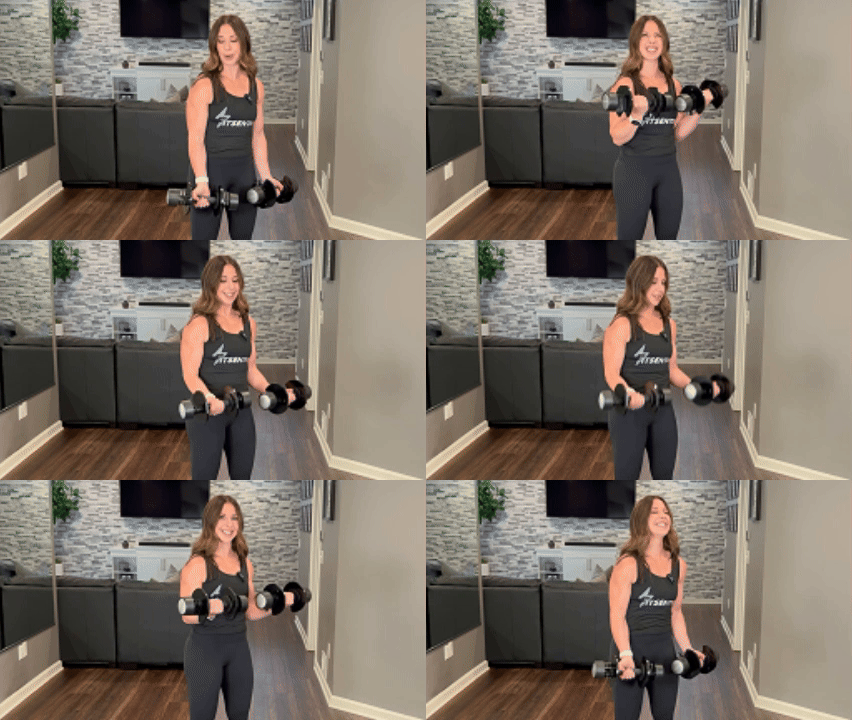
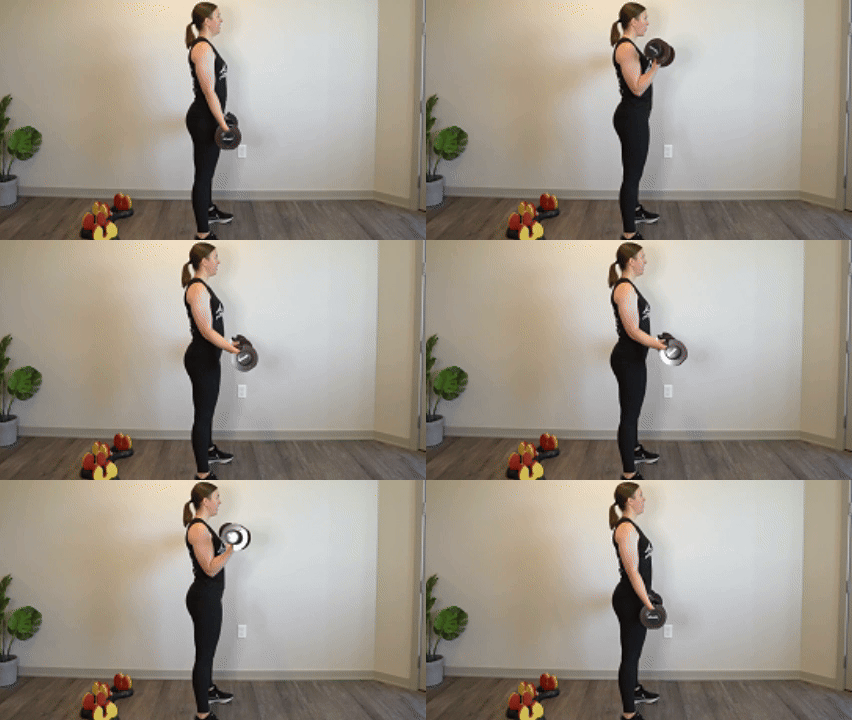
Bicep Curls
Build powerful, defined biceps with this classic isolation exercise. Perfect for targeting the front of your arms, bicep curls help create that strong, athletic look while improving functional strength for daily activities.
Target: Biceps
About the Exercise
Bicep curls are one of the most effective isolation exercises for developing the biceps brachii muscles. This movement specifically targets the front of your upper arms, helping you build muscle mass, improve arm strength, and enhance overall upper body aesthetics. When performed with proper form and controlled tempo, bicep curls create maximum muscle engagement, leading to faster growth and better definition. This exercise is essential for anyone looking to develop balanced, powerful arms.


Step-by-Step Tutorial
Follow each step carefully to perform the movement correctly.
1
Step 1
Stand holding weights, palms up, and slowly curl them up toward your shoulders, squeezing the muscle.
Note
Control the weights as you lower them fully back down to the starting position.
Caution
Avoid swinging your body to lift the weight; this takes the tension off your biceps.
Back Builder
Rows
A fundamental compound exercise for building a strong, well-developed back. Essential for posture, strength, and balanced upper body development.
Target: Back (Lats and Rhomboids)
About the Exercise
Rows are a compound pulling exercise that primarily targets the latissimus dorsi, rhomboids, and middle trapezius. This movement is crucial for developing back thickness and width, improving posture, and balancing the pushing muscles of the chest and shoulders. Proper form emphasizes pulling with the back muscles rather than the arms, creating a strong mind-muscle connection that leads to better muscle development and reduced risk of injury.
Step-by-Step Tutorial
Follow each step carefully to perform the movement correctly.
1
Step 1
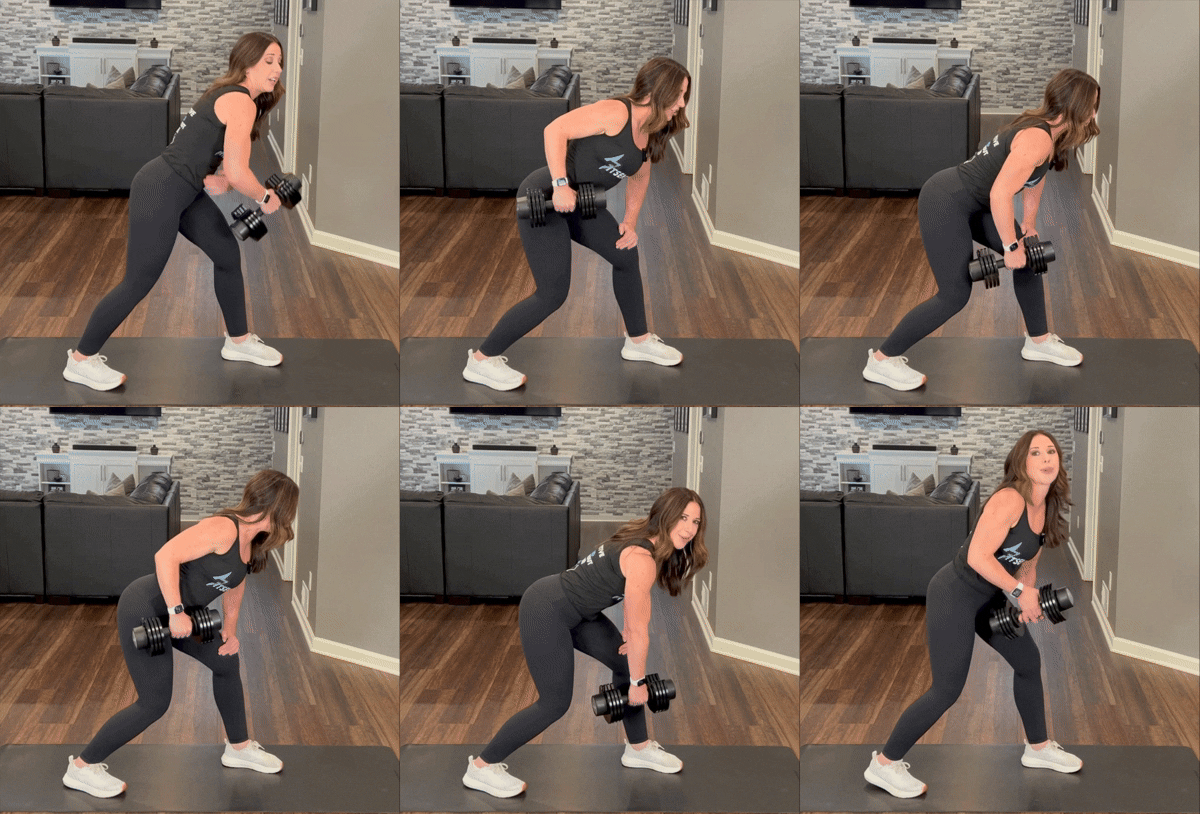
Lean slightly forward or sit upright, keeping your back straight and core tight.
Note
Pull the handles or weight toward your torso by actively squeezing your shoulder blades together.
Caution
Initiate the movement with your back, not your arms, and avoid shrugging your shoulders toward your ears.
Shoulder Builder
L- Raises
Target both the front and side of your shoulders simultaneously with this efficient isolation exercise. Perfect for building well-rounded, strong deltoids that enhance your upper body strength and appearance.
Target: Shoulders (Anterior and Lateral Deltoids)
About the Exercise
L-Raises are a unique shoulder exercise that targets both the anterior (front) and lateral (side) deltoids in a single movement. By raising one arm forward and the other sideways simultaneously, you create an "L" shape that efficiently works multiple shoulder muscles at once. This exercise is excellent for developing balanced shoulder strength, improving shoulder stability, and creating that coveted broad-shouldered physique. The controlled, bilateral movement pattern also helps correct muscle imbalances and enhances functional strength.
Step-by-Step Tutorial
Follow each step carefully to perform the movement correctly.
1
Step 1
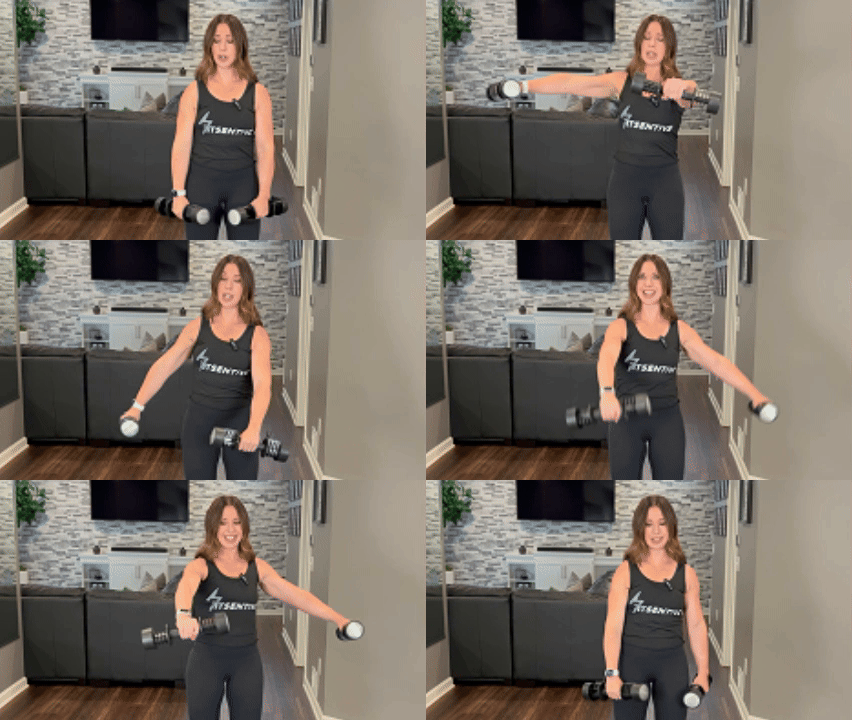
Hold very light weights and simultaneously raise one arm forward and the other arm sideways, forming an "L."
Note
Stop both arms when they reach shoulder height.
Caution
Keep your elbows slightly bent and avoid lifting the weights higher than your shoulders.
Core & Back
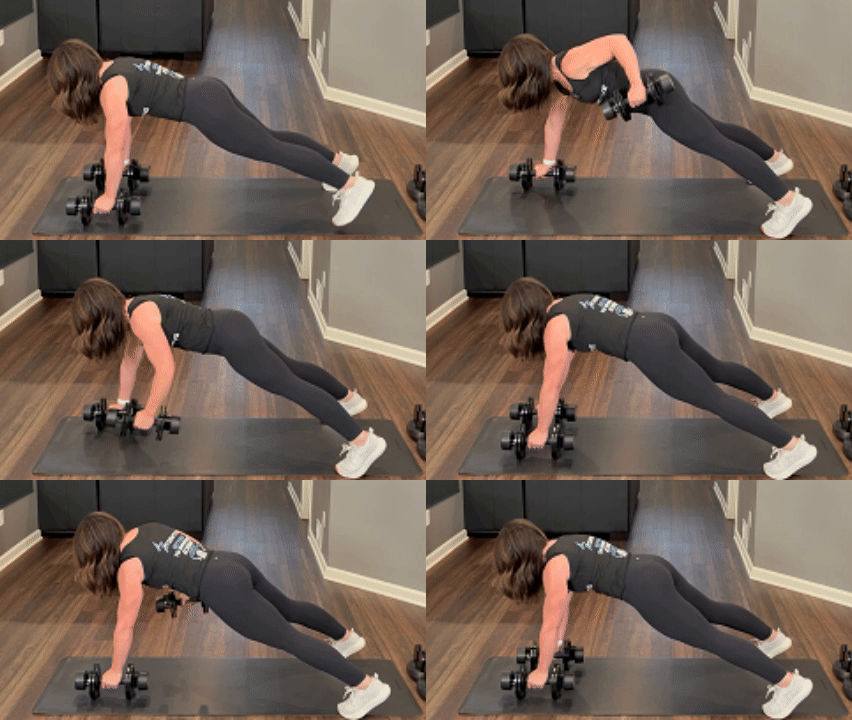
Renegade Rows
A powerful compound exercise that combines back strength with core stability. This dynamic movement challenges your entire body, building a rock-solid core while developing a strong, defined back.
Target: Back and Core
About the Exercise
Renegade rows are an advanced compound exercise that simultaneously targets your back muscles and core stabilizers. By performing a rowing motion from a plank position, you engage your latissimus dorsi, rhomboids, and middle trapezius while your core works overtime to maintain stability and prevent hip rotation. This exercise is exceptional for building functional strength, improving core stability, and developing a powerful, well-balanced physique. The unilateral movement pattern also helps identify and correct muscle imbalances between your left and right sides.
Step-by-Step Tutorial
Follow each step carefully to perform the movement correctly.
1
Step 1
Start in a plank position with your hands gripping dumbbells on the floor, keeping your body in a straight line.
Note
Pull one dumbbell up toward your chest in a rowing motion, engaging your back and keeping your hips level.
Caution
Fight the urge to rotate your hips as you row; a wide foot stance will help maintain stability and core engagement.
Core Builder
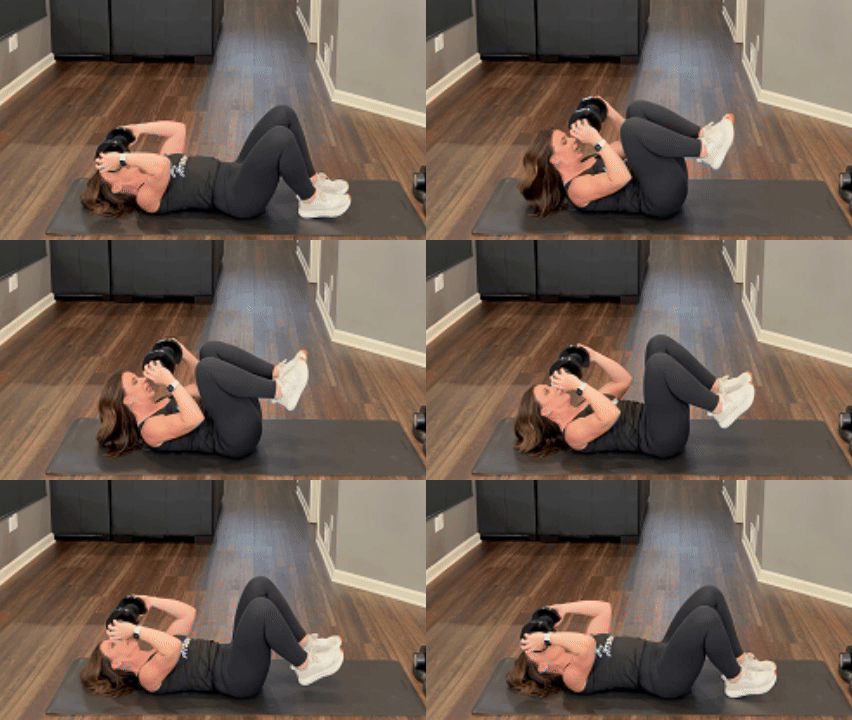
Double Crunch
An effective core exercise that targets your entire abdominal region. This movement combines an upper and lower crunch for maximum ab engagement, helping you build a strong, defined core.
Target: Core (Rectus Abdominis)
About the Exercise
Double crunch is a powerful core exercise that simultaneously works both the upper and lower portions of your rectus abdominis. By bringing your knees and torso together at the same time, you create maximum contraction in your abdominal muscles, leading to better muscle engagement and faster results. This exercise is excellent for developing core strength, improving stability, and creating that defined six-pack look. The controlled movement pattern helps you focus on proper form and avoid using momentum, ensuring you're working your abs effectively rather than relying on other muscle groups.
Step-by-Step Tutorial
Follow each step carefully to perform the movement correctly.
1
Step 1
Lie on your back and simultaneously raise your torso and bring your knees toward your chest.
Note
Exhale as you contract your abs and try to bring your elbows toward your knees.
Caution
Focus on crunching your abs and avoid using momentum or pulling your neck with your hands.
Chest Builder
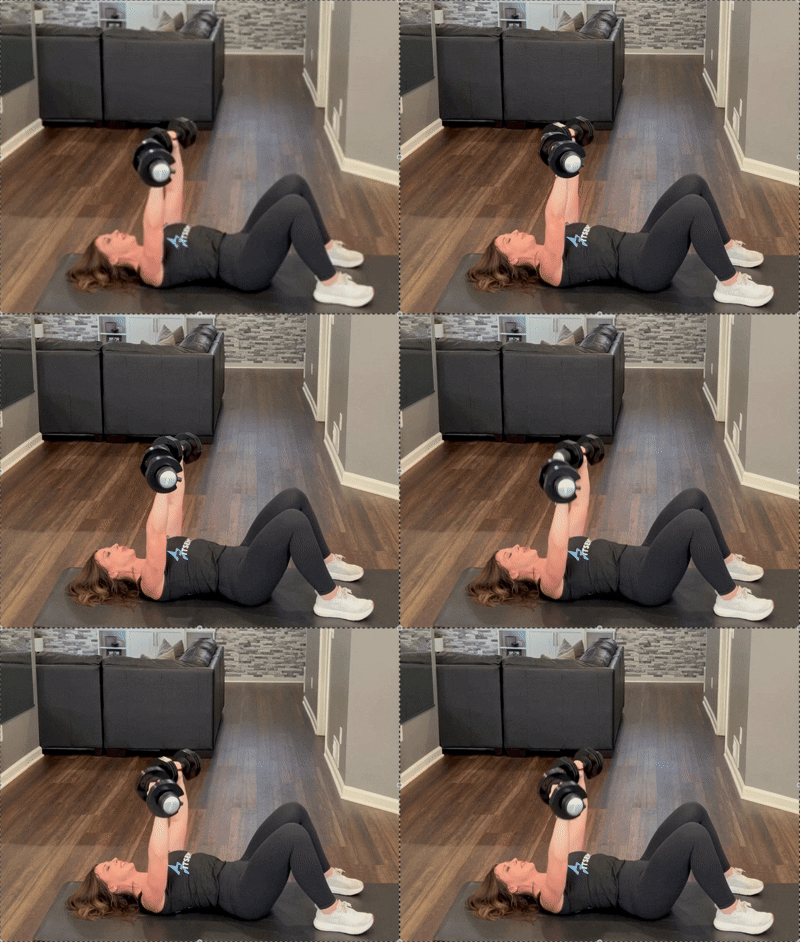
Chest Press
A fundamental compound exercise for building a strong, well-developed chest. Essential for upper body strength, this movement targets your pectorals while engaging your shoulders and triceps for maximum muscle growth.
Target: Chest (Pectorals)
About the Exercise
Chest press is one of the most effective compound exercises for developing the pectoral muscles. This movement primarily targets your chest while also engaging your anterior deltoids and triceps, making it an efficient exercise for building upper body strength and size. When performed with proper form and controlled tempo, chest press creates maximum muscle engagement across your entire chest region, leading to better development and definition. This exercise is essential for anyone looking to build a strong, powerful upper body and create that coveted V-shaped physique.
Step-by-Step Tutorial
Follow each step carefully to perform the movement correctly.
1
Step 1
Lie flat on a bench and hold the weights or bars just outside your shoulders.
Note
Push the weight up until your arms are fully extended, pausing briefly at the top.
Caution
Lower the weight slowly to your chest level; avoid letting it bounce off your chest or locking out your elbows aggressively.
Tricep Builder
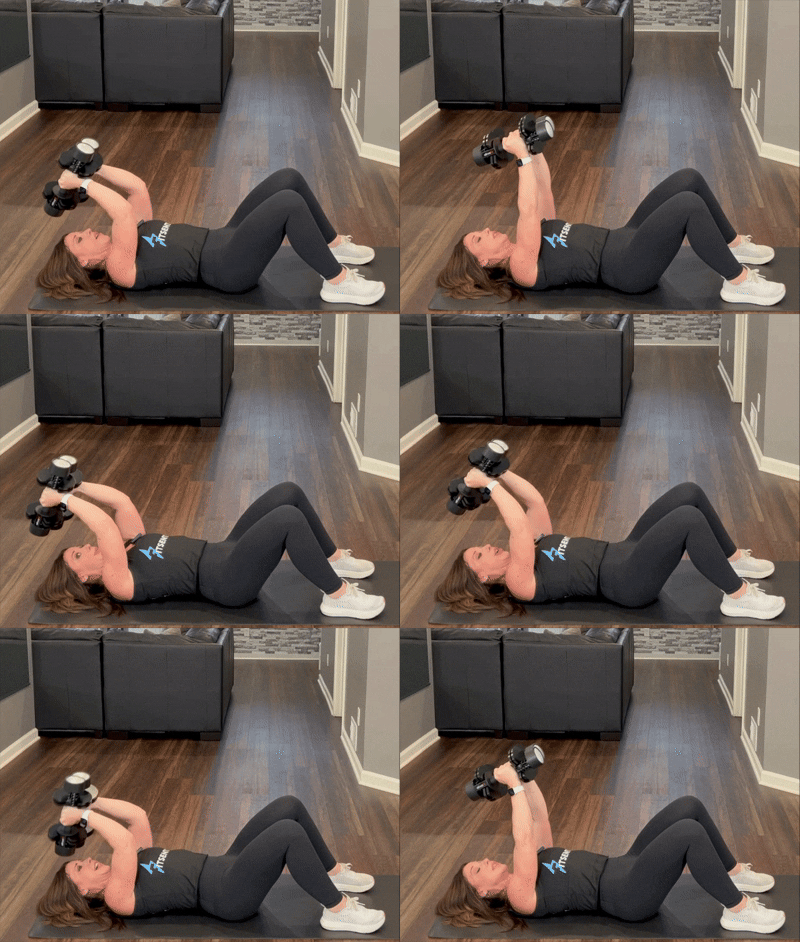
Skull Crushers
An effective isolation exercise for targeting the triceps. This movement creates maximum muscle engagement in the back of your arms, helping you build strength, size, and definition for a complete upper body look.
Target: Triceps
About the Exercise
Skull crushers are one of the most effective isolation exercises for developing the triceps brachii muscles. This movement specifically targets the back of your upper arms, helping you build muscle mass, improve arm strength, and enhance overall upper body aesthetics. When performed with proper form and controlled tempo, skull crushers create maximum tricep engagement by keeping your upper arms stable while only your forearms move. This exercise is essential for anyone looking to develop balanced, powerful arms and create that defined, athletic appearance.
Step-by-Step Tutorial
Follow each step carefully to perform the movement correctly.
1
Step 1
Lie on a bench and hold the weights straight up over your chest with your palms facing each other.
Note
Keeping your upper arms stable, slowly bend your elbows to lower the weights toward your forehead or behind your head.
Caution
Only your forearms should move; keep your elbows pointing forward and stop if you feel any sharp pain in your joints.
Trusted by Tech Critics
In-depth Reviews from Top Creators
JS
I've used other kits, but this one is the best. The attention to detail and usability are truly amazing.
SJ
Perfect for my home gym setup. The quality is outstanding and the adjustability is smooth and reliable.
MW
Best investment I've made for my fitness journey. These dumbbells are worth every penny.
DB
Compact, versatile, and well-designed. Exactly what I needed for my home workouts.

